


Watching Beans, our dog, today reminded me of something I see every week in my work.
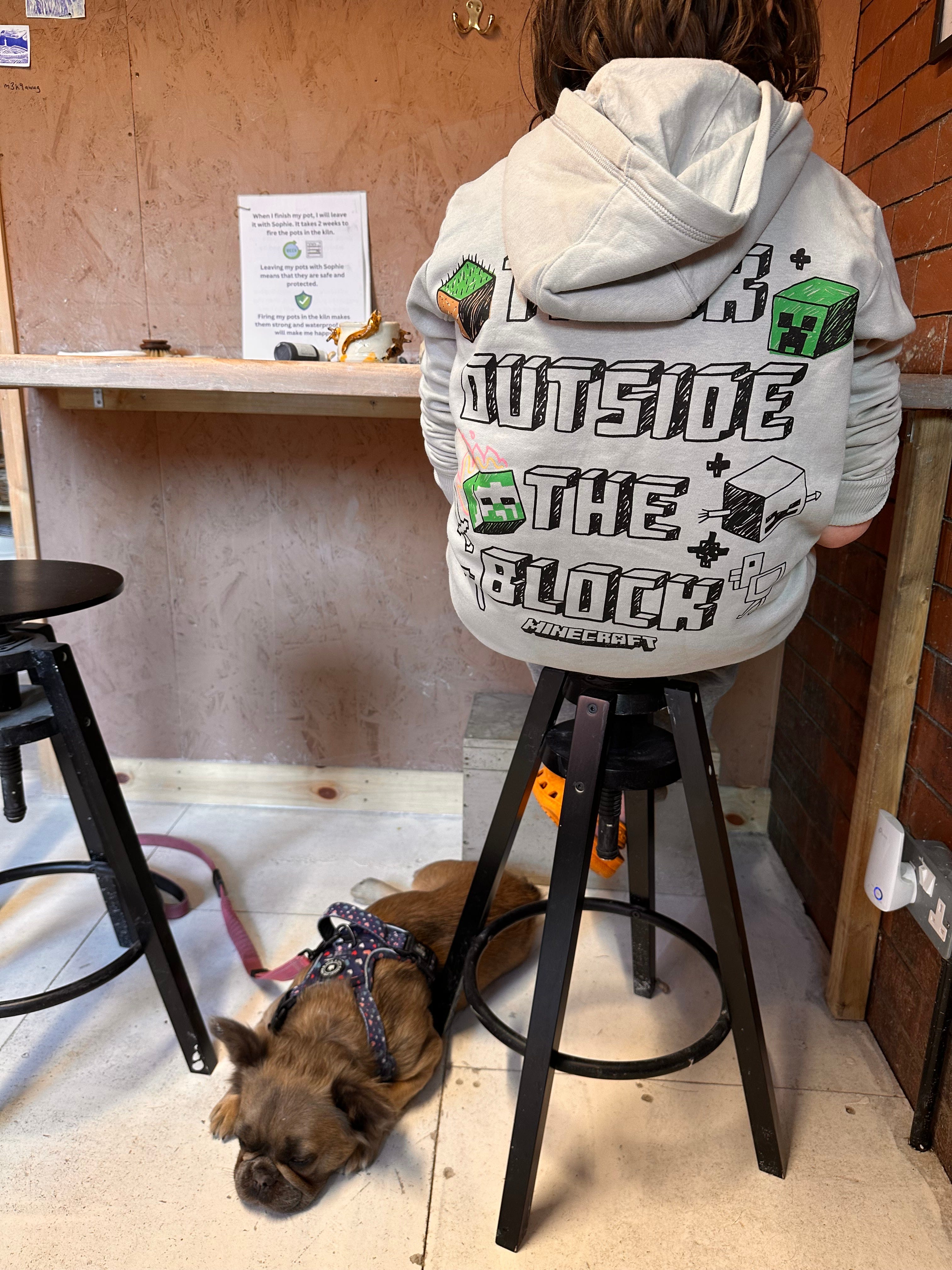
When she stepped back from assistance dog work, it would have been easy to conclude that she couldn’t cope. That she wasn’t suited to the role.
But that wasn’t quite true.
What we’ve discovered is that Beans thrives when she’s on her own. Without another dog alongside her. Without quite so much chaos competing for her attention. The same dog. The same skills. A different environment.
It made me think about the children who quietly disappear in group settings.
We often celebrate attendance. We measure success by whether someone turned up, sat in the room or joined the activity.
But meaningful engagement is something different.
For some children, a busy room, a large class or a noisy activity doesn’t simply feel uncomfortable. It can consumso much of their energy that there is nothing left for learning, connecting or enjoying themselves. They may look as though they’re participating, but internally they’re surviving.
Change the environment, though, and everything changes.
A smaller group. One trusted adult. Less sensory demand. Fewer social expectations.
Suddenly the child who “couldn’t engage” is laughing, contributing, creating and connecting.
The difficulty was never the child.
The hidden cost is that these environments are expensive to provide.
Of course they are. Facilitators deserve to earn a living, and smaller groups inevitably mean higher costs. That’s an economic reality, not a criticism of those providing them.
Of course they are. Facilitators deserve to earn a living, and smaller groups inevitably mean higher costs. That’s an economic reality, not a criticism of those providing them.
But it does leave many families in an impossible position.
The children who most need smaller, quieter, more personalised environments are often the very children whose families are already carrying additional financial pressures — because of disability, caring responsibilities or reduced employment.
The opportunity exists on paper. But in practice, it is only available to those who can afford the kind of environment their child needs in order to take part. And so access ends up decided by income, not by need.
Sometimes inclusion isn’t about adding another support worker, or asking a child to try harder.
Sometimes it’s about recognising that thriving looks different for different nervous systems.
Beans reminded me of that today.
She didn’t need more training.
She needed the right environment.