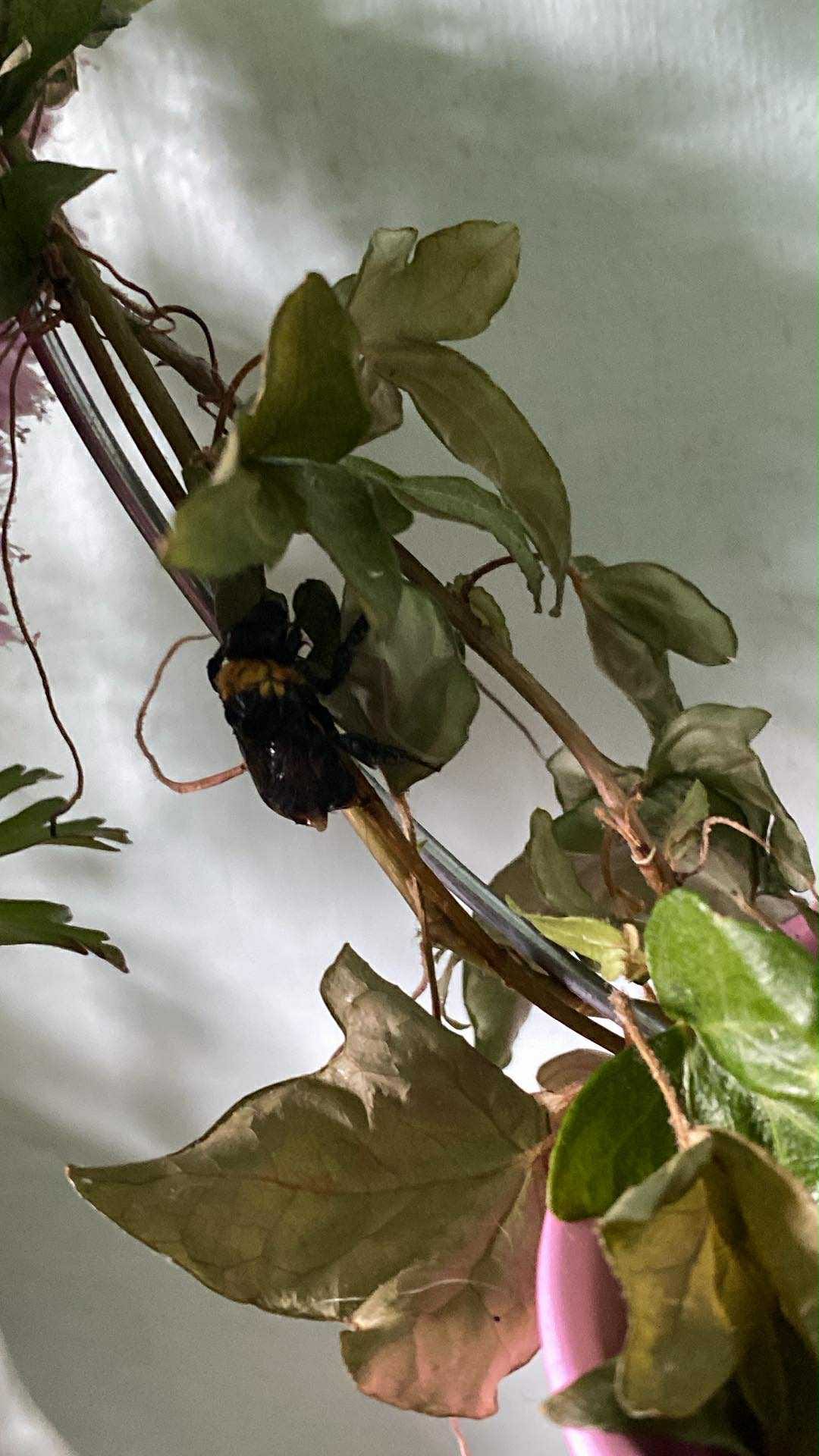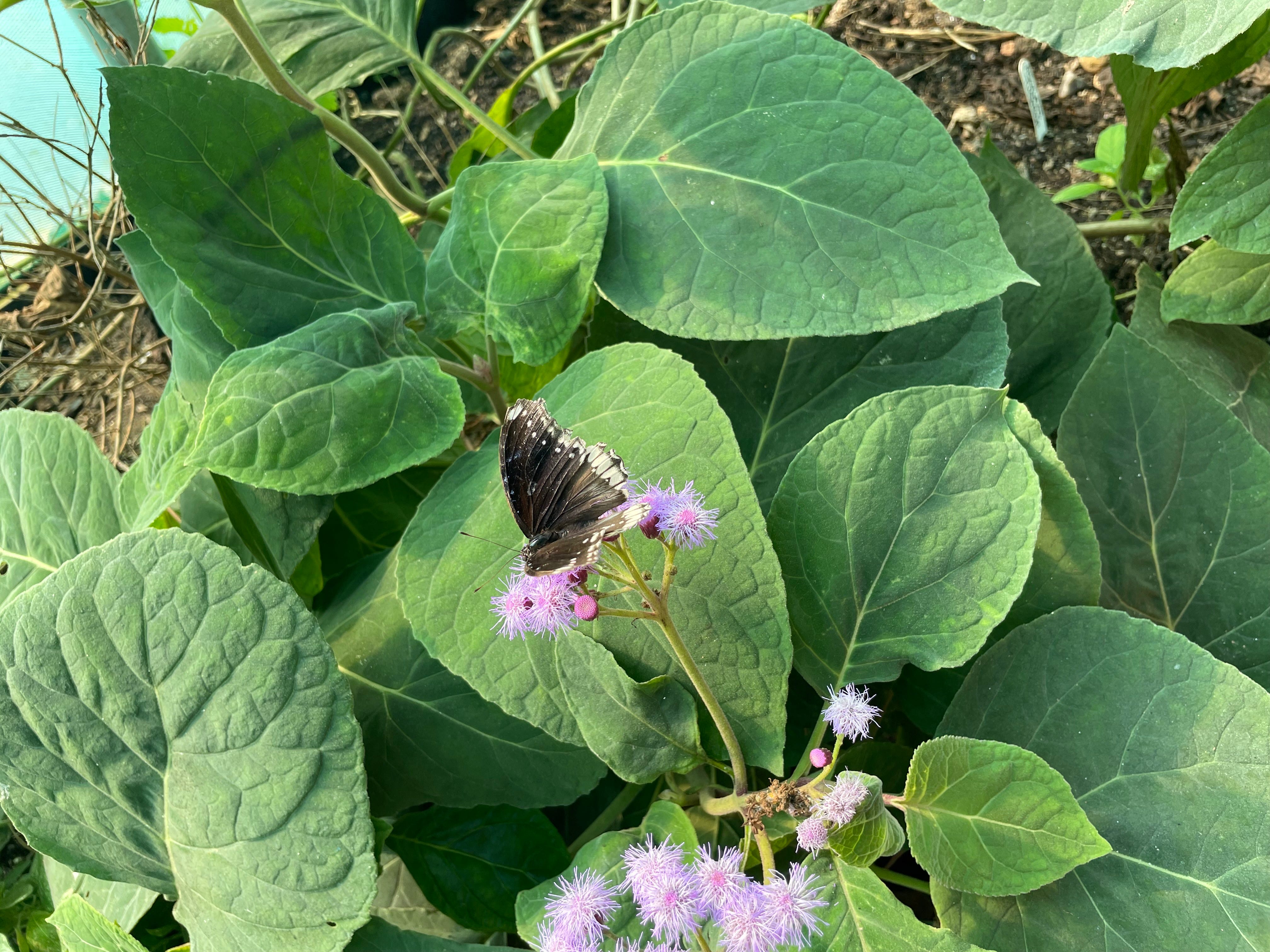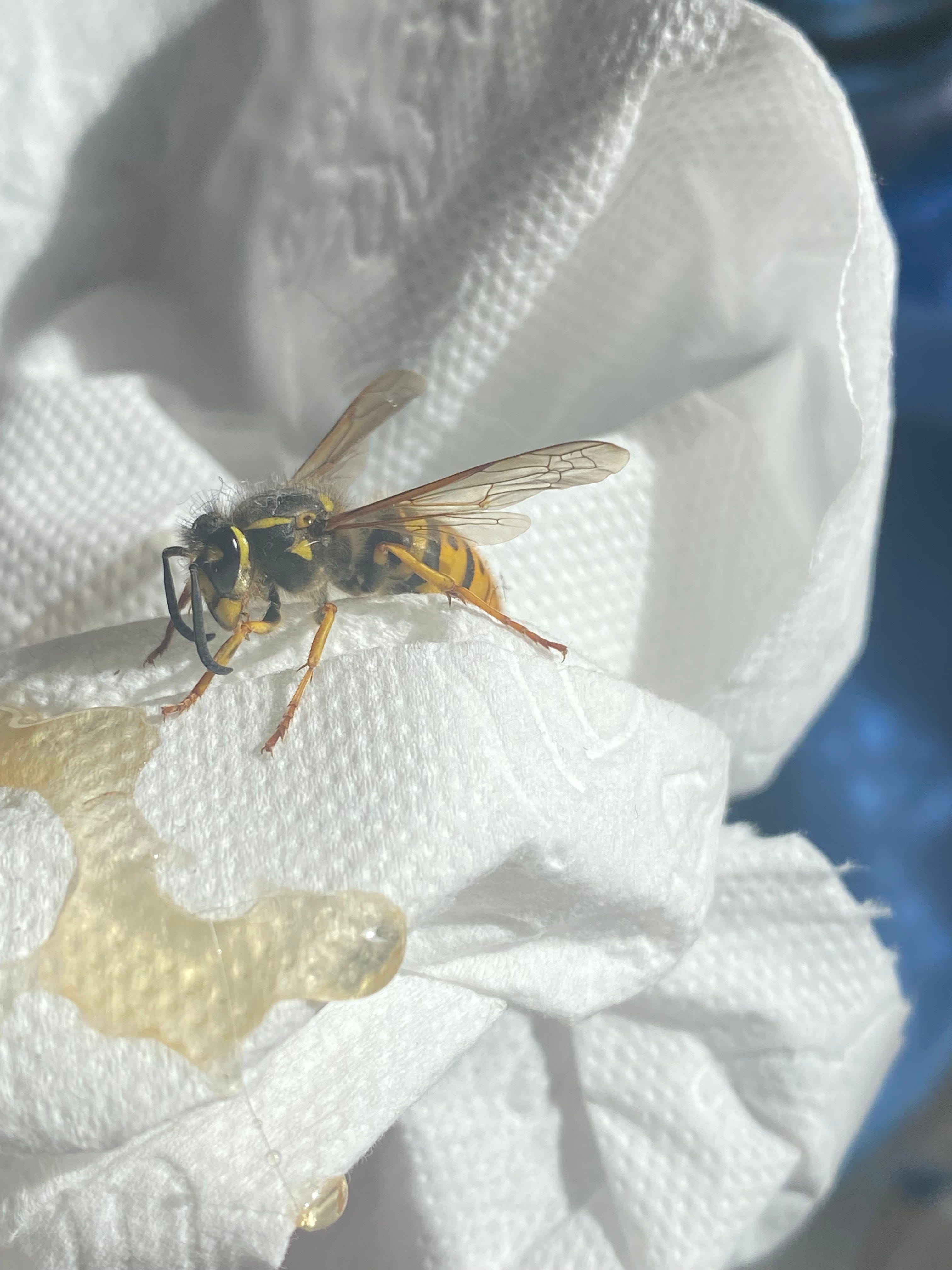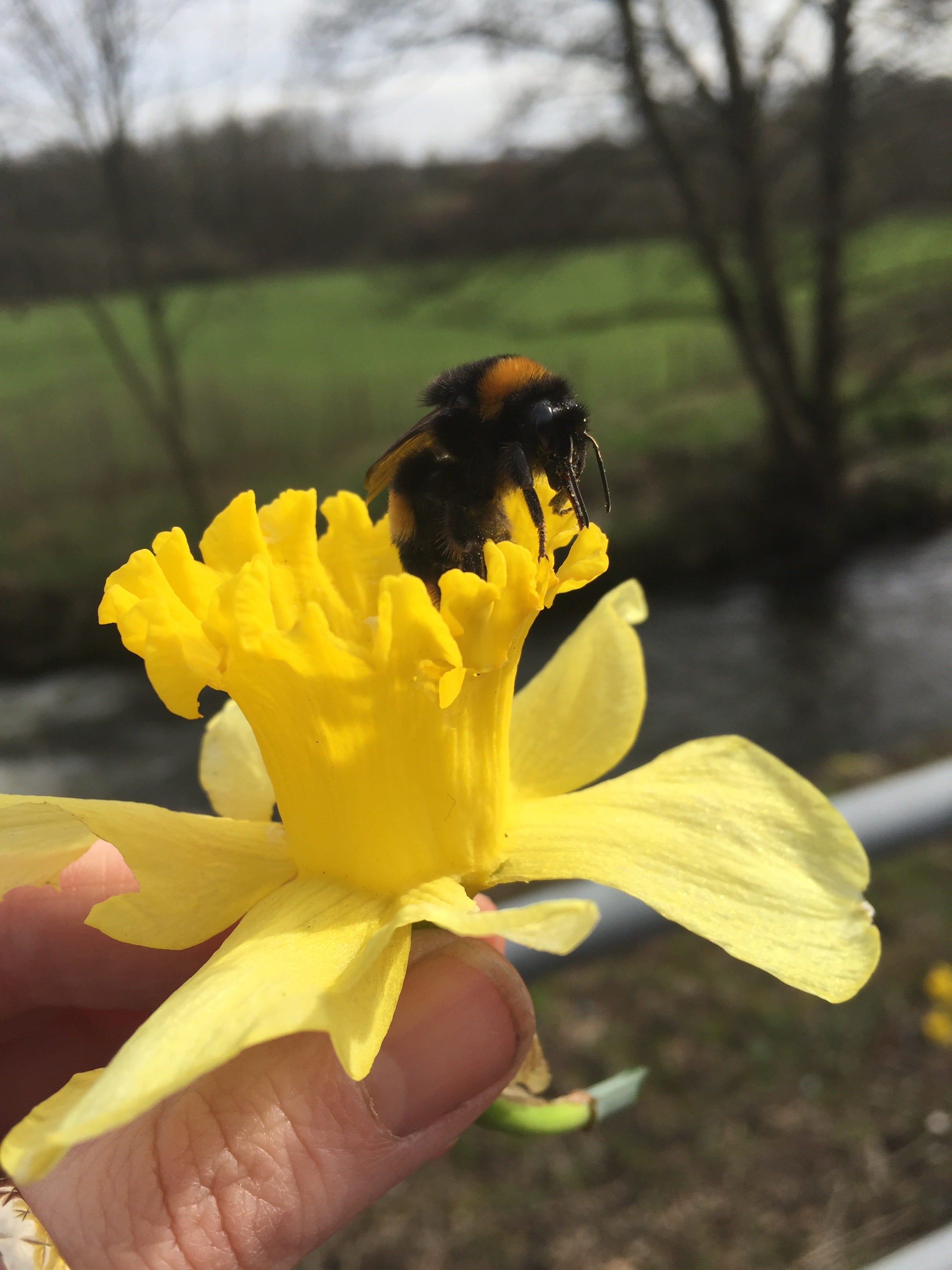

We have a little bug rehabilitation station in our garden.
It’s not much. A sheltered spot where injured bees, butterflies, moths and the occasional wasp can rest and recover. Or die. But at least with a bit of care.
Over the years we’ve learned that some make it and some don’t.
A bee once spent the night in a bucket of water. When I found her she looked dead. I scooped her out anyway. She clung on for dear life, so we brought her indoors, gave her warmth, fresh flowers and somewhere dry to rest. A few hours later she was exploring the flowers. By the afternoon she flew away.
Others haven’t been so lucky.
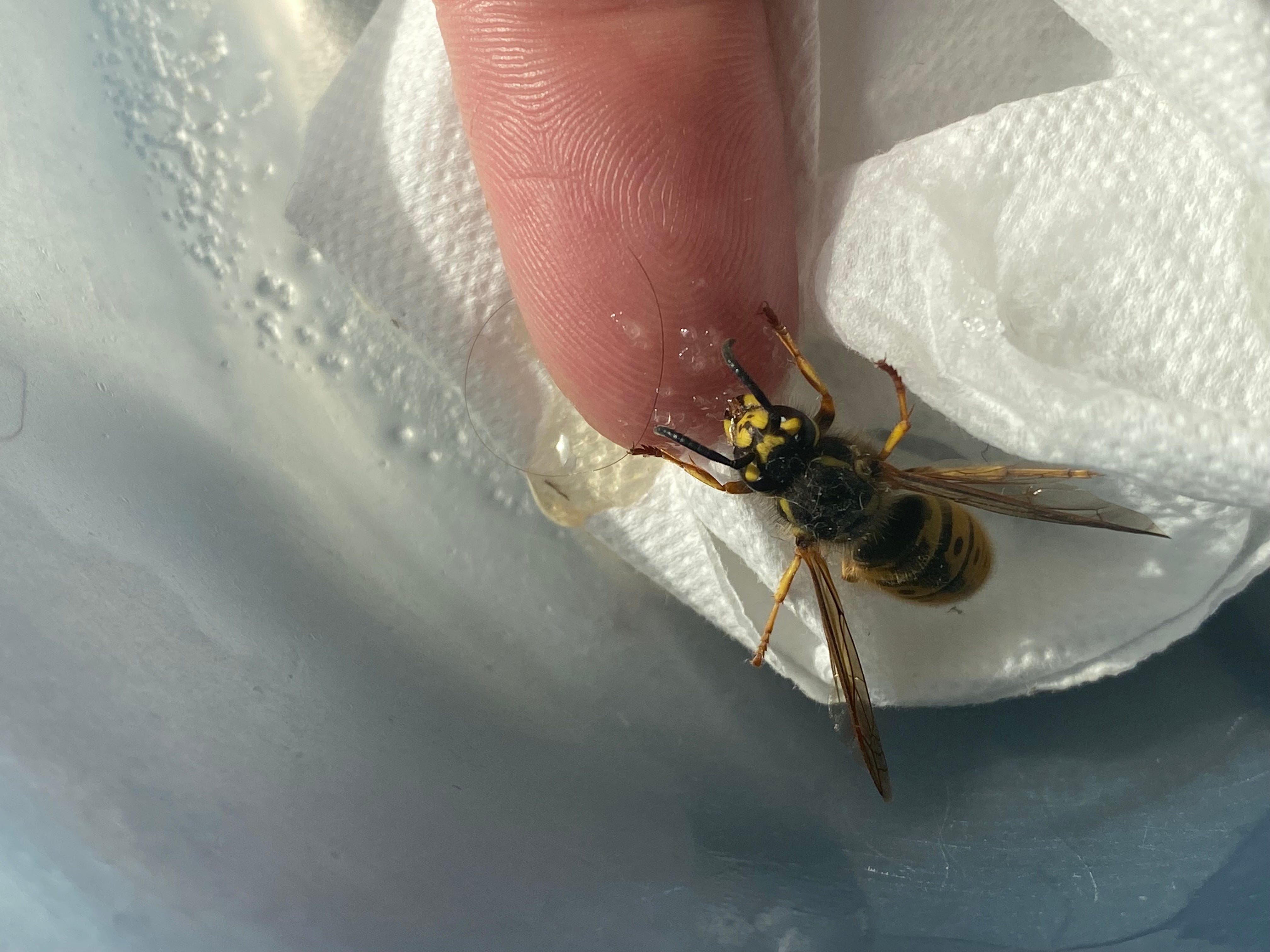
One of our most memorable residents was Queenie, a queen wasp we found struggling in spring with a damaged wing. At first, I’ll be honest, I was relieved she couldn’t get into the lounge. She was huge, angry and determined.
The next morning I found her on the stairs.
She accepted sugar water, climbed onto my hand and gradually became part of our lives. We built her a home with flowers and fruit. She would occasionally fly away, then return tired and struggling, ready for a little shelter and a boost.
What Queenie taught us was that even injured creatures still need to be themselves.
Indoors she constantly tried to leave. Outdoors she was content.
Eventually we brought her inside during bad weather while we went out to buy her a sturdier shelter. We thought we were keeping her safe.
We weren’t.
The next morning we found her drowned in a small puddle on the draining board.
It was heartbreaking, but it taught us something important. We can’t control wildlife. We can’t control weather, predators, accidents or outcomes. The best we can do is provide what is needed and allow creatures the freedom to choose.
So now Queenie’s enclosure is planted with strawberries and chives. The flowers feed pollinators. The shelter remains available for whoever needs it next.
Some stay a while.
Some recover quickly.
Some die anyway.
And that has taught me something else.
When something dies, one person may respond with visible sadness, guilt and tears. Another may quietly analyse what happened and make changes for next time.
We often assume the emotional response means someone cared more.
That may not be true
Sometimes the child who appears calm is caring just as deeply. They simply show it differently. They learn. They adapt. They build a better shelter. The care is shown differently. Held more inside. The brain turns towards making sure it’s better next time. The fact they keep doing that and don’t give up shows how deep the care is perhaps sometimes more so than tears
Is it sad when some don’t survive?
Of course.
Is it still worth helping?
Absolutely.
Every act of care in this world is worth it.